Discover creative ways to incorporate Spanish bathroom tiles into your design for a touch of elegance.
Disclosure: This post contains affiliate links. We may earn a commission at no extra cost to you.
spanish tiles bathroom
Incorporating Spanish tiles into your bathroom design can add a touch of elegance and charm to the space. These tiles come in a variety of vibrant colors and intricate patterns that can create a stunning visual impact. However, it is important to consider the size of your bathroom and the overall design style to ensure the tiles will complement the space. Additionally, make sure to choose tiles that are water-resistant and easy to clean for a bathroom setting. Proper installation is key to ensure the longevity of the tiles, so hiring a professional may be advisable.
When incorporating Spanish tiles into your bathroom design, consider creating a focal point with a feature wall or an accent area. You can mix and match different tile designs to create a unique look or stick to a uniform pattern for a cohesive feel. Adding Spanish tiles to the floors, walls, or even the shower area can elevate the overall aesthetic of your bathroom.
Remember to plan the layout of the tiles carefully before installation to ensure a seamless and visually appealing design. Proper maintenance is essential to prolong the life of the tiles, so be sure to follow care instructions to keep them looking their best. By incorporating Spanish tiles into your bathroom design, you can infuse a touch of Mediterranean flair and create a stylish and inviting space.
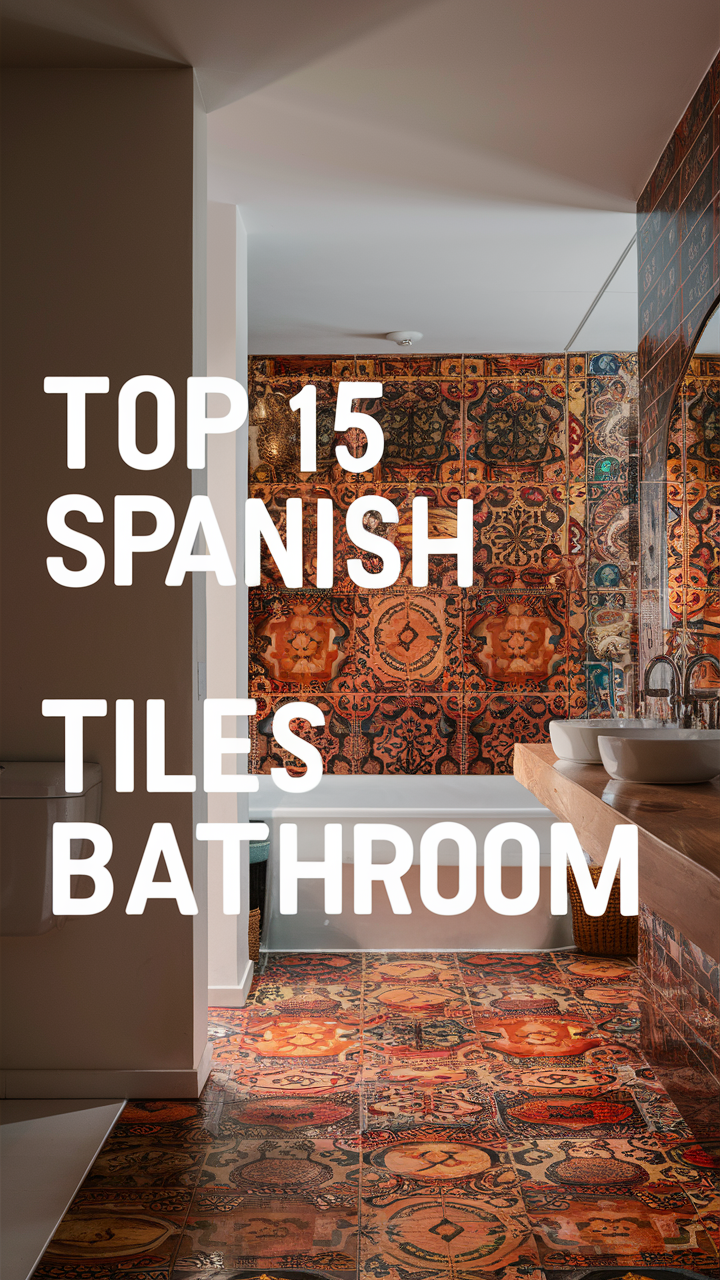
How can I incorporate Spanish tiles into my bathroom design?
Spanish tiles have a rich history and intricate designs that can add a touch of elegance and charm to any bathroom. Whether you are looking to create a traditional, rustic, or modern look, Spanish tiles can be a versatile and stylish choice for your bathroom design. In this article, we will explore the different types of Spanish tiles available, how to choose the right color palette, popular patterns and designs, mixing and matching with other materials, creative ways to use Spanish tiles, and maintenance tips.
1. What are the different types of Spanish tiles available for bathroom design?
Spanish tiles come in a variety of materials, shapes, and sizes, making them suitable for a range of design styles. Some of the most popular types of Spanish tiles for bathroom design include:
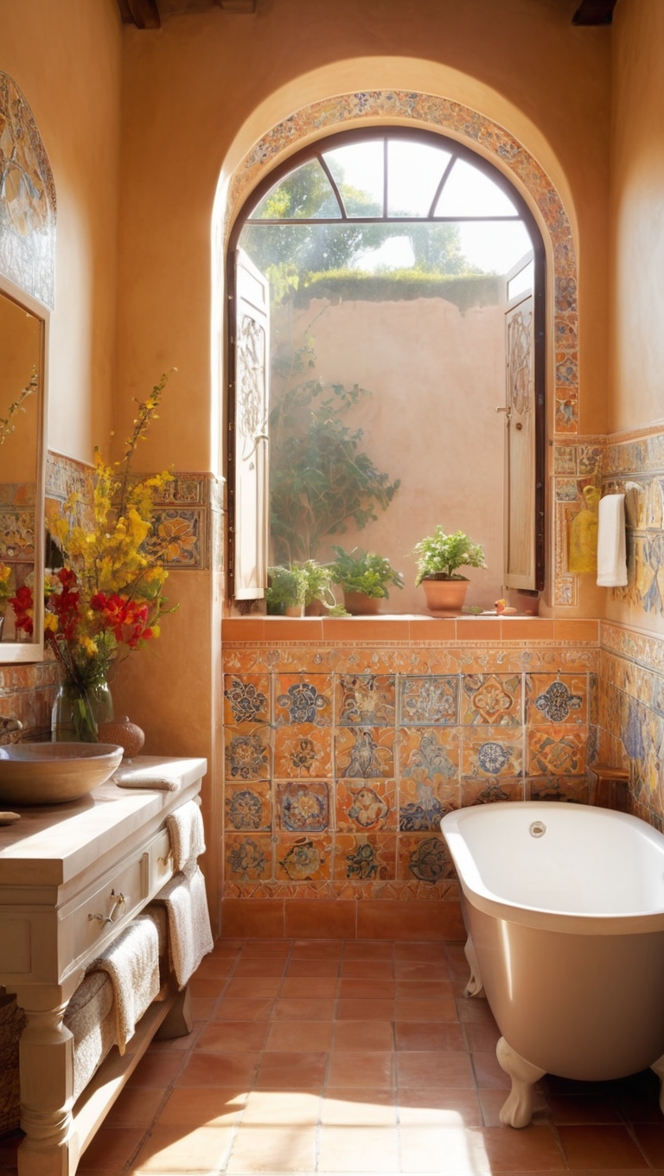
– Terracotta tiles: These clay-based tiles are known for their warm, earthy tones and rustic charm. Terracotta tiles can add a Mediterranean feel to your bathroom and are perfect for creating a cozy and inviting space.
– Ceramic tiles: Ceramic tiles are a versatile option that come in a wide range of colors, patterns, and finishes. They are durable, easy to clean, and can be used to create intricate designs or simple, clean looks in your bathroom.
– Mosaic tiles: Mosaic tiles are small, colorful tiles that are often used to create intricate patterns and designs. They can be made from ceramic, glass, or stone and are perfect for adding a pop of color and texture to your bathroom.
– Cement tiles: Cement tiles are handmade tiles that are known for their vibrant colors and bold patterns. They are a popular choice for creating a statement floor or wall in the bathroom and can add a touch of luxury and sophistication to the space.
2. How can I choose the right color palette for Spanish tiles in my bathroom?
When choosing a color palette for your bathroom design, consider the overall style and mood you want to create. Spanish tiles come in a range of colors, from earthy terracotta tones to vibrant blues and greens. Here are some tips for choosing the right color palette for Spanish tiles in your bathroom:
– If you want to create a traditional, rustic look, opt for warm, earthy tones like terracotta, ochre, and burnt sienna.
– For a more modern and contemporary style, consider using bold colors like cobalt blue, emerald green, or deep navy.
– If you prefer a neutral palette, choose soft, muted colors like ivory, taupe, or pale blue to create a calm and serene atmosphere in your bathroom.
– When selecting colors, consider the size of your bathroom and the amount of natural light it receives. Lighter colors can help make a small bathroom feel more spacious, while darker colors can add drama and sophistication to a larger space.
3. What patterns and designs are popular when using Spanish tiles in bathroom decor?
Spanish tiles are known for their intricate patterns and designs, which can add visual interest and personality to your bathroom. Some popular patterns and designs to consider when using Spanish tiles in bathroom decor include:
– Geometric patterns: Geometric patterns are a classic choice for Spanish tiles and can range from simple squares and rectangles to intricate hexagons and diamonds. These patterns can create a sense of movement and energy in your bathroom design.
– Floral motifs: Floral motifs are a timeless design element that can add a touch of elegance and romance to your bathroom. Consider using floral tiles as accents or borders to create a soft and feminine look.
– Moorish-inspired designs: Moorish-inspired designs feature intricate patterns and arabesques that are characteristic of Spanish and Mediterranean architecture. These designs can add a sense of exoticism and luxury to your bathroom design.
– Hand-painted tiles: Hand-painted tiles are a unique and artisanal choice for Spanish tiles, featuring one-of-a-kind designs and colors. These tiles can be used as focal points or accents in your bathroom to create a personalized and custom look.
4. Are Spanish tiles suitable for both modern and traditional bathroom styles?
Spanish tiles are highly versatile and can be used in a variety of design styles, from traditional to modern. Whether you prefer a classic, rustic look or a sleek, contemporary aesthetic, Spanish tiles can complement your bathroom design. Here are some tips for incorporating Spanish tiles into both modern and traditional bathroom styles:
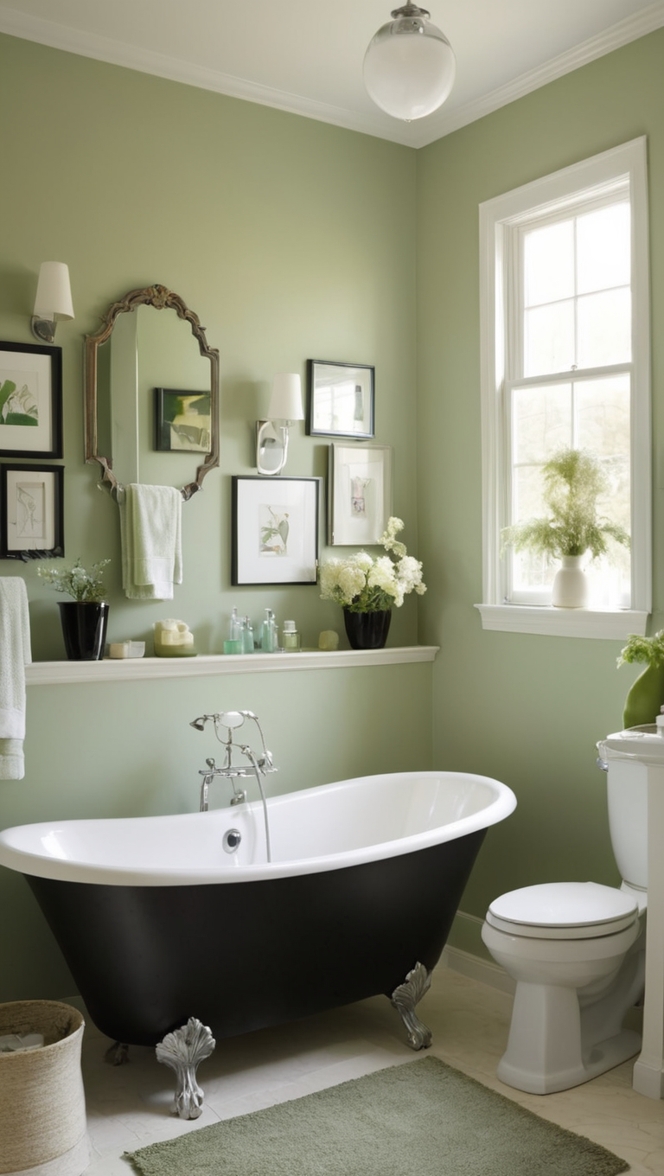
– For a traditional look, opt for terracotta tiles with warm, earthy tones, and rustic textures. Pair them with antique fixtures, clawfoot tubs, and vintage accessories to create a charming and timeless space.
– To achieve a modern look, choose geometric or floral patterned tiles in bold colors and sleek finishes. Combine them with minimalist fixtures, clean lines, and contemporary accents for a fresh and sophisticated bathroom design.
– Mix and match different types of Spanish tiles, such as ceramic and mosaic tiles, to create a dynamic and eclectic look that blends traditional and modern elements seamlessly.
5. How can I mix and match Spanish tiles with other materials like wood or stone in my bathroom design?
Mixing and matching materials in your bathroom design can add depth, texture, and visual interest to the space. When combining Spanish tiles with other materials like wood or stone, consider the following tips:
– Pair terracotta tiles with wooden accents, such as a vanity, mirror frame, or shelving, to create a warm and inviting atmosphere in your bathroom. The natural tones and textures of wood can complement the earthy feel of terracotta tiles beautifully.
– Combine ceramic tiles with marble or granite countertops and stone accents to add a touch of luxury and sophistication to your bathroom. The contrast between the smooth, glossy surface of ceramic tiles and the natural beauty of stone can create a stunning and elegant look.
– Mix mosaic tiles with glass or stainless steel fixtures to create a contemporary and stylish bathroom design. The reflective surfaces of glass and metal can enhance the vibrant colors and intricate patterns of mosaic tiles, creating a modern and sleek aesthetic.
6. What are some creative ways to use Spanish tiles as accents or focal points in the bathroom?
Spanish tiles can be used in a variety of creative ways to add drama, personality, and style to your bathroom design. Here are some ideas for using Spanish tiles as accents or focal points in the bathroom:
– Create a statement wall: Use Spanish tiles to create a focal point on one wall of your bathroom, such as behind the vanity or bathtub. Choose a bold pattern or color to make the wall stand out and add visual interest to the space.
– Design a custom backsplash: Install Spanish tiles as a backsplash behind the sink or countertop to add a pop of color and texture to your bathroom. Choose a pattern that complements the overall design of the space and ties the elements together cohesively.
– Install a decorative border: Use Spanish tiles to create a decorative border around the perimeter of the bathroom, either at eye level or along the floor. This can help define the space and add a touch of elegance and sophistication to the design.
– Incorporate tile accents: Place Spanish tiles strategically throughout the bathroom as accents, such as in niches, alcoves, or on the floor. These small touches can add character and charm to the space without overwhelming the design.
7. Are there any maintenance tips or considerations to keep in mind when using Spanish tiles in the bathroom?
Spanish tiles are durable and easy to maintain, but there are some tips and considerations to keep in mind to ensure they look their best for years to come. Here are some maintenance tips for using Spanish tiles in the bathroom:
– Seal the tiles: Depending on the type of Spanish tiles you choose, it may be necessary to seal them to protect them from moisture, stains, and wear. Consult with a professional installer or tile supplier to determine the best sealing method for your specific tiles.
– Clean regularly: To keep Spanish tiles looking their best, clean them regularly with a mild detergent and water. Avoid using harsh chemicals or abrasive cleaners that can damage the tiles or grout.
– Repair cracks or chips: If you notice any cracks or chips in the tiles, repair them promptly to prevent further damage. Consult with a professional tile installer to assess the extent of the damage and recommend the best course of action.
– Prevent water damage: To prevent water damage and mold growth, ensure that the tiles are properly sealed, and the grout is in good condition. Use a squeegee to remove excess water from the tiles after showering or bathing to help maintain their appearance and longevity.
In conclusion, incorporating Spanish tiles into your bathroom design can add a touch of elegance, charm, and personality to the space. Whether you prefer a traditional, rustic, or modern look, Spanish tiles offer a wide range of colors, patterns, and designs to suit your style. By choosing the right type of tiles, color palette, patterns, and materials, you can create a beautiful and unique bathroom that reflects your personal taste and aesthetic preferences. With proper maintenance and care, Spanish tiles can enhance the beauty and functionality of your bathroom for years to come.
1. “Spanish-Inspired Bathroom Design: Elevate Your Space with Vibrant Tiles”
2. “Transform Your Bathroom with Spanish Tiles: Tips and Ideas for a Stylish Look”
3. “Creating a Mediterranean Oasis: Incorporating Spanish Tiles in Your Bathroom Design”
4. “Spanish Tiles Bathroom Makeover: Add Elegance and Charm to Your Space”
5. “Designing a Spanish-Inspired Bathroom: Tips for Choosing the Perfect Tiles”
6. “Revamp Your Bathroom with Spanish Tiles: A Touch of Mediterranean Flair”
7. “Spanish Tiles Bathroom Design Ideas: Enhance Your Space with Colorful Patterns”
8. “Infuse Your Bathroom with Spanish Tiles: Tips for a Stylish and Inviting Space”
9. “Elevate Your Bathroom Design with Spanish Tiles: Tips and Inspiration”
10. “Spanish Tiles for a Stunning Bathroom Design: Tips for a Mediterranean Look”
11. “Create a Stylish Bathroom with Spanish Tiles: Tips for a Chic Design”
12. “Incorporating Spanish Tiles in Your Bathroom: Tips for a Timeless and Elegant Look”