Looking to optimize your kitchen cabinet layout for efficiency? Discover creative kitchen organization hacks!

Disclosure: This post contains affiliate links. We may earn a commission at no extra cost to you.
How can I optimize my kitchen cabinet organization layout for efficiency?
Kitchen Cabinet Organization Layout
Creating an efficient kitchen cabinet organization layout involves decluttering regularly, grouping similar items together, utilizing drawer dividers, lazy Susans, and shelf organizers, and labeling everything for easy access. Installing pull-out shelves and under-cabinet storage can maximize space and accessibility. Consider the layout of your kitchen and the frequency of use of items when organizing cabinets. Keeping a cleaning schedule and regularly reassessing your organization system will help maintain efficiency.
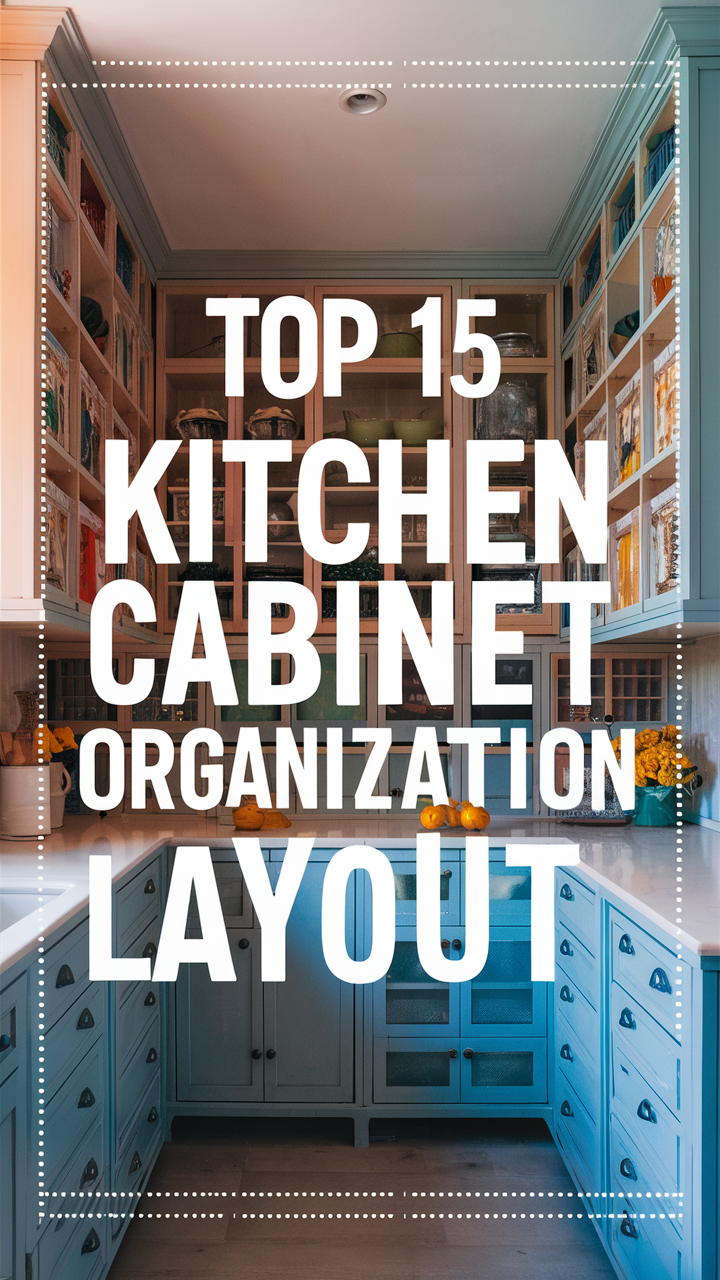
In my experience as a homeowner, optimizing the layout of my kitchen cabinets for efficiency has been a game-changer. It not only makes meal preparation easier but also helps in maintaining a clutter-free and organized kitchen. Here are some practical tips and strategies that I have found to be effective in maximizing the functionality of my kitchen cabinet organization layout:
### 1. Identifying Essential Items for Daily Use
Before organizing your kitchen cabinets, it’s crucial to identify the essential items you use daily. These may include frequently used pots, pans, utensils, spices, and pantry staples. By making these items easily accessible, you can streamline your cooking process and save time in searching for them.
### 2. Maximizing Vertical Space
One of the best ways to optimize cabinet space is by maximizing the vertical space. Install shelves or dividers to create multiple levels within your cabinets. This allows you to store more items efficiently and prevents clutter. Utilizing vertical space is especially useful for storing cups, plates, and smaller items.
### 3. Innovative Storage Solutions
Investing in innovative storage solutions can help declutter your cabinets and maximize storage space. Consider using pull-out drawers, lazy Susans, or stackable organizers to make the most of your cabinet space. These solutions can help you access items easily and keep your cabinets organized.
### 4. Categorizing Items
Categorizing items and designating specific cabinets for each category can greatly improve organization. For example, store baking supplies in one cabinet, pots and pans in another, and utensils in a designated drawer. This not only makes it easier to find items but also helps in maintaining order within your cabinets.
### 5. Utilizing Corner Cabinets
Corner cabinets can be challenging to organize, but with the right strategy, they can be utilized effectively. Consider installing a lazy Susan or pull-out shelves in corner cabinets to access items easily. This maximizes storage space and prevents items from getting lost in the back of the cabinet.
### 6. Organizing Pots, Pans, and Lids
Organizing pots, pans, and lids efficiently can be a game-changer in your kitchen. Use stackable racks or lid organizers to keep these items organized and easily accessible. Consider hanging pots and pans on hooks inside cabinet doors to free up shelf space and make them more accessible.
### 7. Maintaining Organization
Maintaining the organization of your kitchen cabinets in the long run requires consistency and regular decluttering. Make it a habit to review your cabinets periodically and remove any items that you no longer use. Keep similar items together and return them to their designated spots after each use to maintain order.
By implementing these strategies and incorporating personalized touches based on your needs and preferences, you can optimize your kitchen cabinet organization layout for efficiency. A well-organized kitchen not only makes cooking more enjoyable but also enhances the overall functionality of your space.

Optimizing Your Kitchen Cabinet Organization Layout for Efficiency
When it comes to optimizing your kitchen cabinet organization layout for efficiency, there are several key strategies you can implement to make the most of your space and streamline your cooking experience.
1. Declutter Regularly
One of the most important steps in creating an efficient kitchen cabinet organization layout is to declutter regularly. Take stock of what you have in your cabinets and get rid of items you no longer use or need. This will free up valuable space and make it easier to find the items you use regularly.
2. Group Similar Items Together
Grouping similar items together in your cabinets can help you stay organized and make it easier to find what you need. Consider organizing your cabinets by category, such as grouping all your baking supplies together or keeping all your pots and pans in one area.
3. Utilize Drawer Dividers, Lazy Susans, and Shelf Organizers
Drawer dividers, lazy Susans, and shelf organizers are great tools for maximizing space and keeping your cabinets organized. Drawer dividers can help you separate utensils and small items, while lazy Susans and shelf organizers can make it easier to access items in the back of your cabinets.
4. Label Everything for Easy Access
Labeling your cabinets can help you quickly find what you need without having to search through every cabinet. Consider using labels on shelves, bins, and containers to keep everything organized and easily accessible.
5. Install Pull-Out Shelves and Under-Cabinet Storage
Installing pull-out shelves and under-cabinet storage can help you make the most of your cabinet space and increase accessibility. Pull-out shelves make it easy to reach items in the back of your cabinets, while under-cabinet storage can provide additional space for small appliances or cookware.
6. Consider the Layout of Your Kitchen
When organizing your kitchen cabinets, consider the layout of your kitchen and the flow of your cooking process. Keep frequently used items within easy reach and store less frequently used items in higher or lower cabinets.
7. Keep a Cleaning Schedule
Maintaining an organized kitchen cabinet layout requires regular cleaning and upkeep. Set a schedule for decluttering and cleaning out your cabinets to ensure they stay organized and efficient.
8. Regularly Reassess Your Organization System
As your cooking habits and needs change, it’s important to regularly reassess your organization system. Make adjustments to your layout as needed to ensure it continues to meet your needs and optimize efficiency.
9. Use Color-Coded Storage Bins
Color-coding storage bins can help you quickly identify different categories of items in your cabinets. Use different colored bins for baking supplies, spices, or snacks to make it easy to find what you need at a glance.
10. Invest in Quality Storage Containers
Investing in quality storage containers can help you keep your cabinets organized and maintain freshness for pantry items. Opt for stackable containers with airtight seals to maximize space and keep food items fresh.
11. Create Zones for Different Categories
Creating zones in your cabinets for different categories of items can help you stay organized and make meal prep more efficient. Designate specific areas for baking supplies, cooking oils, or canned goods to streamline your cooking process.
12. Implement a Rotating System for Pantry Items
To prevent food items from expiring and to ensure you use everything in your pantry, implement a rotating system for pantry items. Place newer items at the back of the shelf and older items at the front to encourage rotation and prevent waste.
By implementing these strategies and incorporating them into your kitchen cabinet organization layout, you can create an efficient and streamlined cooking experience. Remember to regularly declutter, group similar items together, utilize storage solutions, and maintain a cleaning schedule to keep your cabinets organized and optimized for efficiency.