Step into a serene world of Japanese bedroom decor: discover the allure of minimalist design.
Disclosure: This post contains affiliate links. We may earn a commission at no extra cost to you.
What makes a minimalist Japanese bedroom so appealing?
Minimalist Japanese bedroom
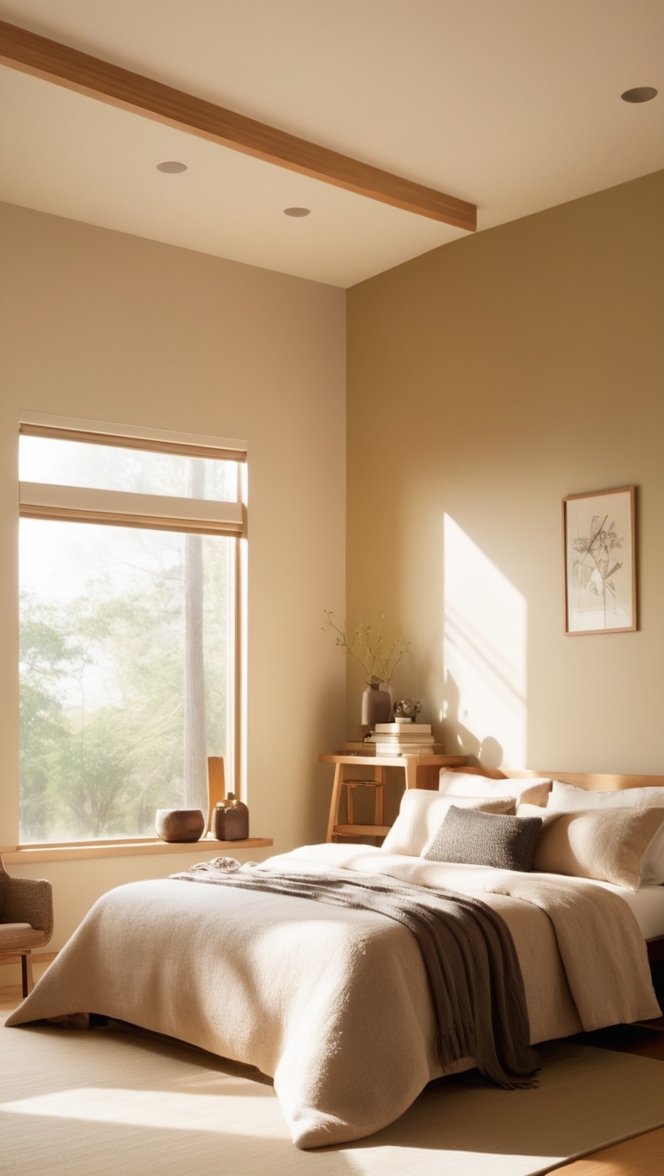
As a homeowner looking to create a minimalist Japanese bedroom, focus on simplicity, natural materials, and functionality. Incorporate elements such as low furniture, neutral colors, natural lighting, and indoor plants to create a calming atmosphere. Benefits include reduced clutter and a peaceful environment for relaxation. To achieve this, declutter regularly, invest in quality items, and create designated spaces for each item. Embracing the Japanese philosophy of “less is more” can lead to a harmonious living space.
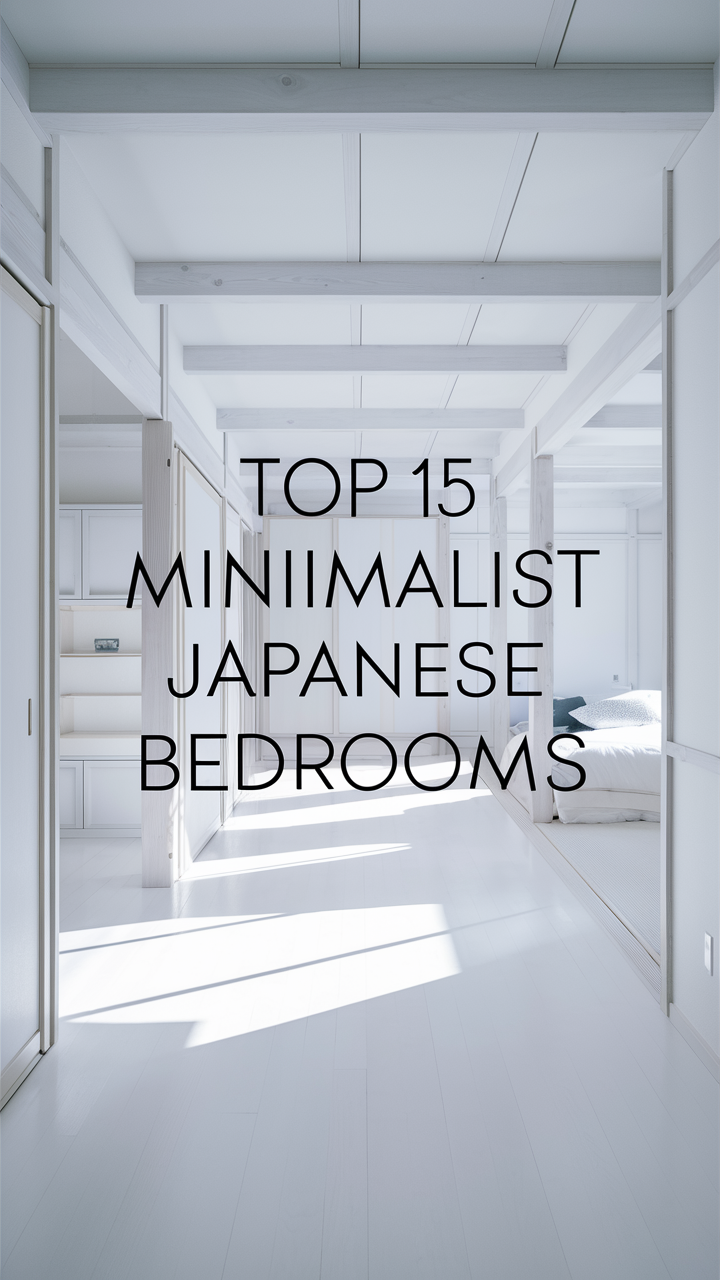
What makes a minimalist Japanese bedroom so appealing?
Minimalist Japanese bedrooms have gained popularity for their serene and calming atmosphere. As a homeowner who appreciates simplicity and tranquility, I have explored the elements that make these bedrooms so appealing.
1. Why are Japanese bedrooms known for their minimalist design?
Japanese bedrooms are known for their minimalist design due to the cultural emphasis on simplicity, harmony, and nature. The Japanese aesthetic philosophy of “wabi-sabi,” which values imperfection and impermanence, is reflected in the clean and uncluttered design of bedrooms.
2. What key elements contribute to the appeal of a minimalist Japanese bedroom?
The key elements that contribute to the appeal of a minimalist Japanese bedroom include clean lines, neutral color palettes, natural materials such as wood and bamboo, and the use of traditional Japanese furniture like tatami mats and shoji screens.
3. How does the concept of simplicity play a role in Japanese bedroom design?
Simplicity is at the core of Japanese bedroom design, where every element serves a purpose and there is no excess clutter. The focus on simplicity allows for a peaceful and uncluttered space that promotes relaxation and mindfulness.
4. What cultural influences shape the aesthetics of a minimalist Japanese bedroom?
Cultural influences such as Zen Buddhism, traditional tea ceremonies, and the connection to nature shape the aesthetics of a minimalist Japanese bedroom. These influences emphasize the importance of harmony, balance, and a deep appreciation for the natural world.
5. How do natural materials enhance the beauty of a Japanese bedroom?
Natural materials such as wood, bamboo, and paper are commonly used in Japanese bedrooms to create a sense of warmth, texture, and connection to nature. These materials bring a sense of tranquility and authenticity to the space.
6. What role does organization and tidiness play in creating a tranquil Japanese bedroom?
Organization and tidiness are essential in creating a tranquil Japanese bedroom. Keeping the space clutter-free and well-organized allows for a sense of calm and order, which is crucial for promoting relaxation and a peaceful state of mind.
7. How can one incorporate the principles of a minimalist Japanese bedroom into their own living space?
To incorporate the principles of a minimalist Japanese bedroom into your own living space, consider decluttering and simplifying your surroundings, using natural materials and textures, embracing neutral colors, and incorporating elements of Japanese design such as sliding doors or low furniture. Creating a serene and harmonious environment inspired by Japanese aesthetics can help you achieve a peaceful and inviting space.
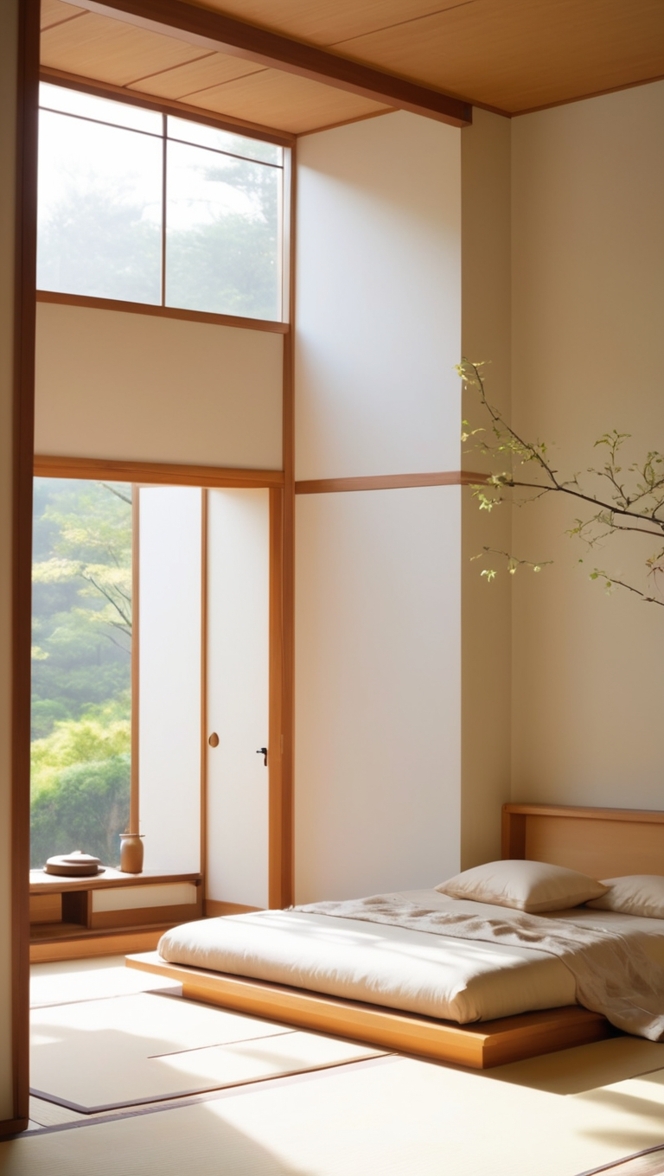
12 Unique Paint Colors for Your Minimalist Japanese Bedroom
Creating a serene and stylish minimalist Japanese bedroom involves careful selection of paint colors. Here are 12 unique paint colors inspired by nature and tranquility:
1. Zen Garden Green (Sherwin-Williams)
Capture the essence of a peaceful Zen garden with this soft green hue that promotes relaxation and calmness.
2. Bamboo Shoot (Benjamin Moore)
Bring a touch of nature into your bedroom with this earthy green shade reminiscent of bamboo shoots swaying in the wind.
3. Cherry Blossom Pink (Behr)
Add a hint of delicate beauty with this soft pink color that evokes the fleeting beauty of cherry blossoms in spring.
4. Tatami Tan (Farrow & Ball)
Create warmth and coziness with this earthy tan shade inspired by traditional Japanese tatami mats.
5. Sakura White (Dulux)
Achieve a clean and minimalist look with this pure white color that reflects the purity and simplicity of cherry blossoms.
6. Koi Pond Blue (PPG Paints)
Immerse yourself in tranquility with this calming blue shade inspired by the serene waters of a koi pond.
7. Bamboo Forest Gray (Valspar)
Create a serene backdrop with this soft gray hue that mimics the quiet beauty of a bamboo forest.
8. Tea Ceremony Beige (Glidden)
Embrace Japanese traditions with this warm beige color that reflects the peaceful atmosphere of a traditional tea ceremony.
9. Wabi-Sabi Brown (Pittsburgh Paints)
Celebrate imperfection and simplicity with this rich brown shade inspired by the Japanese philosophy of wabi-sabi.
10. Moonlit Garden Charcoal (Benjamin Moore)
Add drama and sophistication with this deep charcoal color that evokes the mysterious beauty of a moonlit garden.
11. Tranquil Pond Teal (Sherwin-Williams)
Create a sense of peace and harmony with this soothing teal shade inspired by the tranquility of a serene pond.
12. Zen Rock Gray (Behr)
Achieve a perfect balance of calmness and sophistication with this elegant gray color reminiscent of smooth Zen rocks.
By choosing one of these unique paint colors for your minimalist Japanese bedroom, you can create a space that embodies the beauty and tranquility of Japanese design principles.