Uncover essential features for kid’s bedroom storage to maximize custom closet organization and space.
Disclosure: This post contains affiliate links. We may earn a commission at no extra cost to you.
Choosing a kids bedroom wardrobe design requires you to consider factors such as size, storage capacity, organization options, safety features, and style. Opt for a design with plenty of shelves, drawers, and hanging space to accommodate your child’s clothes, shoes, and accessories. Make sure the wardrobe is sturdy and secure to prevent accidents. You can also customize the design to match your child’s room decor and personal style. Stay organized by categorizing items and utilizing storage bins or baskets.
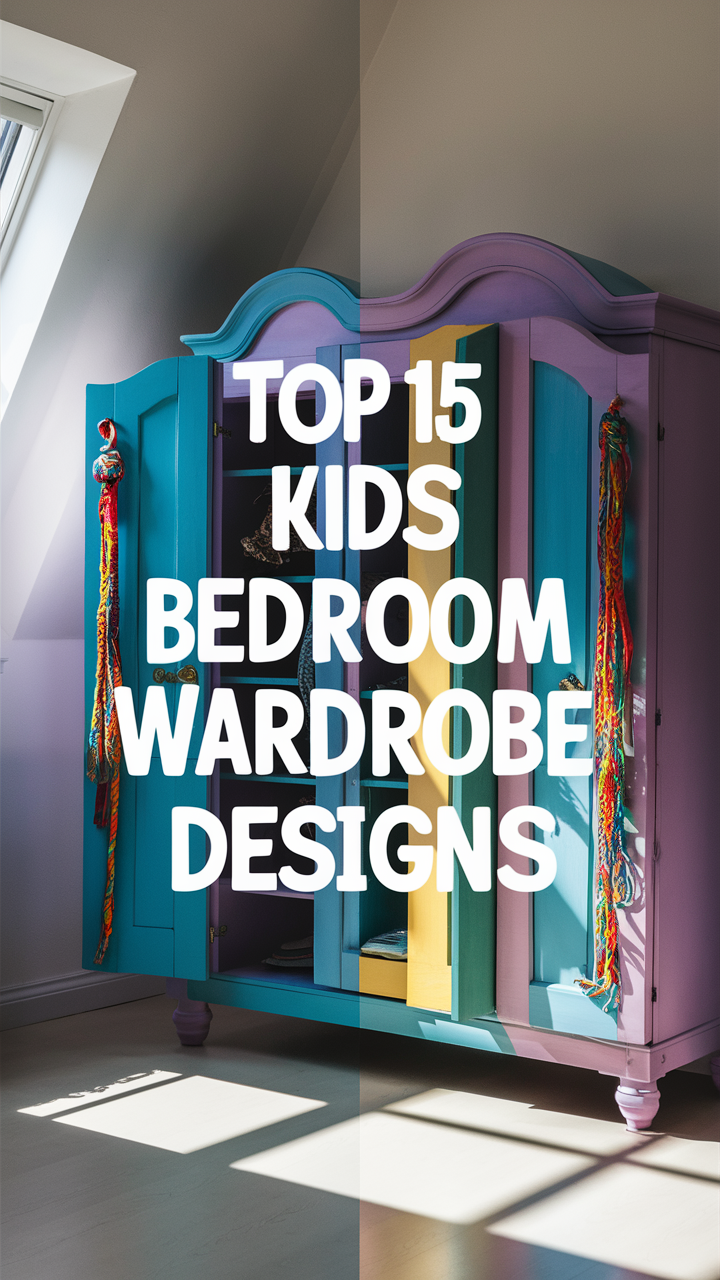
Choosing a wardrobe for your child’s bedroom can be a fun yet challenging task. As a homeowner myself, I understand the importance of finding the perfect balance between functionality and style when it comes to furniture for kids. Let’s delve deeper into each feature to consider when selecting a kids bedroom wardrobe design.
### Storage Space
One of the first things to consider is the amount of storage space the wardrobe offers. As a parent, you know that children’s clothing and belongings seem to multiply overnight. It’s essential to choose a wardrobe that can accommodate not only your child’s current wardrobe but also any future additions. Look for wardrobes with ample hanging space, shelves, and drawers to keep everything organized and easily accessible.
### Durability and Sturdiness
Kids can be quite rough on their furniture, so it’s crucial to select a wardrobe that is durable and sturdy. Opt for high-quality materials and solid construction to ensure that the wardrobe can withstand the wear and tear of daily use. Check for features like reinforced corners and strong hinges to guarantee the longevity of the wardrobe.
### Child-Friendly Features
Safety is paramount when it comes to children’s furniture. Look for a wardrobe with child-friendly features such as rounded edges, soft-close doors, and easy-to-reach handles. These elements not only make the wardrobe safer for your child but also add convenience to their daily routine. A wardrobe that is designed with kids in mind will make it easier for them to access their clothes and belongings independently.
### Versatility and Adaptability
Children grow and their needs change quickly. Choose a wardrobe design that is versatile and adaptable to accommodate these changes. Look for adjustable shelves or hanging rods that can be repositioned as your child’s wardrobe requirements evolve. A wardrobe that can grow with your child will save you from having to replace it as they get older.
### Bedroom Decor
The wardrobe should complement the overall decor of the bedroom. Consider the style and color of the wardrobe to ensure it blends seamlessly with the existing furniture and decor. Whether you prefer a modern, minimalist design or a more traditional look, choose a wardrobe that enhances the aesthetic appeal of the room.
### Additional Features
Consider any additional features that may enhance the functionality of the wardrobe. Drawers, baskets, or built-in organizers can help keep your child’s clothes and accessories neatly organized. These extra storage options can make it easier for your child to maintain a tidy and clutter-free bedroom.
### Material
The material of the wardrobe is another important factor to consider. Opt for materials that are durable, easy to clean, and maintain. Whether you prefer solid wood, MDF, or laminate, choose a material that suits your lifestyle and aesthetic preferences. Consider the ease of maintenance and longevity of the material when making your decision.
As a homeowner and a parent, choosing a kids bedroom wardrobe design involves considering a variety of features to ensure that it meets your child’s needs and preferences. By taking into account the storage space, durability, child-friendly features, versatility, bedroom decor, additional features, and material of the wardrobe, you can select a piece of furniture that not only serves its purpose but also adds to the overall charm of your child’s bedroom. Remember to involve your child in the decision-making process to create a space that reflects their personality and style.
Kids Bedroom Wardrobe Design: 12 Unique Ideas to Consider
When it comes to designing a wardrobe for your child’s bedroom, there are several factors to take into consideration. From size and storage capacity to organization options and safety features, choosing the right wardrobe design is important. In this article, we will explore 12 unique ideas to consider when designing a kids bedroom wardrobe.
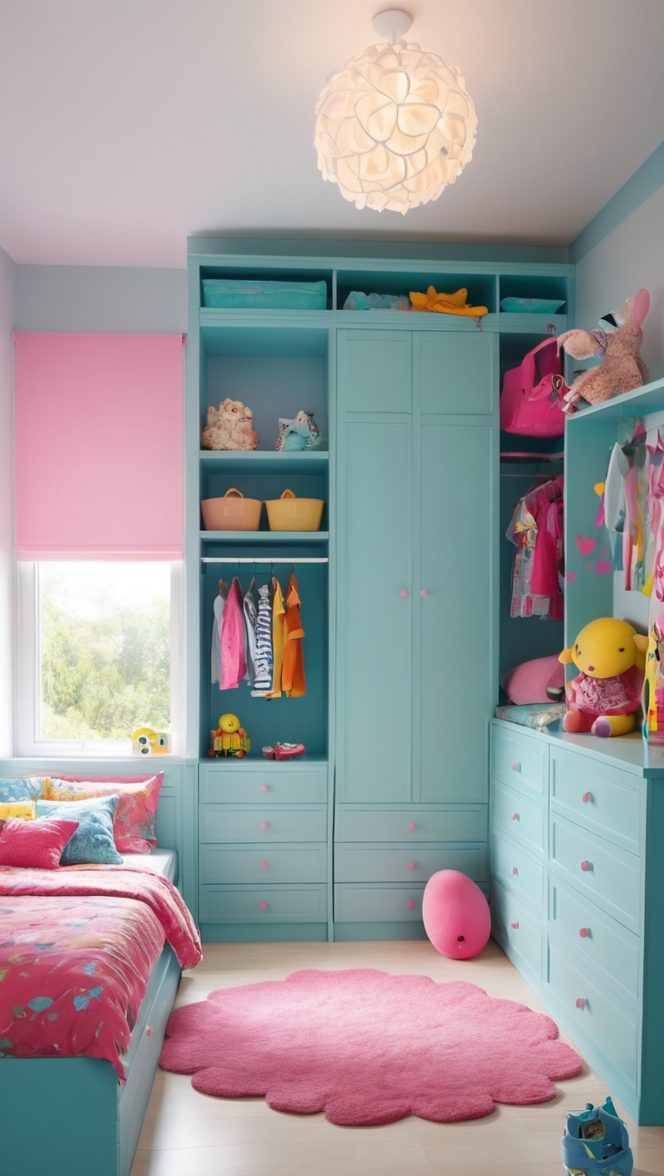
1. Bright and Bold Colors: Consider using bright and bold colors for the wardrobe to add a pop of fun and excitement to the room. Colors like turquoise, pink, or yellow can create a vibrant and playful look.
2. Customizable Shelving: Opt for a wardrobe design that offers customizable shelving options. This will allow you to adjust the shelves to accommodate different sizes of clothing and accessories.
3. Built-In Drawers: Include built-in drawers in the wardrobe design to provide additional storage space for small items like socks, underwear, and accessories.
4. Safety Locks: Ensure that the wardrobe has safety locks to prevent children from accessing any dangerous items or climbing inside the wardrobe.
5. Soft-Close Doors: Choose a wardrobe with soft-close doors to prevent them from slamming shut and potentially causing injury.
6. Personalized Touches: Add personalized touches to the wardrobe design, such as your child’s name or favorite characters, to make it unique and special.
7. Mirrored Panels: Consider incorporating mirrored panels into the wardrobe design to create the illusion of more space and provide a convenient place for your child to check their outfit.
8. Hidden Compartments: Include hidden compartments in the wardrobe design for storing valuables or items that you want to keep out of sight.
9. Adjustable Hanging Rods: Opt for a wardrobe with adjustable hanging rods to accommodate different lengths of clothing, from shorter shirts to longer dresses.
10. Shoe Storage: Make sure the wardrobe design includes shoe storage options, such as shelves or cubbies, to keep your child’s footwear organized.
11. Integrated Lighting: Add integrated lighting to the wardrobe design to make it easier for your child to find what they need, especially in dimly lit rooms.
12. Matching Decor: Coordinate the wardrobe design with the rest of the room decor to create a cohesive and stylish look. Consider using paint colors from brands like Sherwin-Williams or Benjamin Moore to complement the wardrobe design.
In conclusion, when choosing a kids bedroom wardrobe design, it’s important to consider factors such as size, storage capacity, organization options, safety features, and style. By incorporating these 12 unique ideas into your design, you can create a functional and stylish wardrobe that meets your child’s needs and preferences.