Discover the charm of traditional Japanese exterior entrances and the zen design of Japanese sliding doors.
Disclosure: This post contains affiliate links. We may earn a commission at no extra cost to you.
What makes Japanese home entrances unique compared to others?
Japanese home entrances are characterized by their simplicity, functionality, and attention to detail. They often feature genkan, a sunken entryway where shoes are removed before entering the main living space. This design promotes cleanliness and respect for the home. To create a Japanese-style entrance in your home, consider incorporating sliding doors, minimalist furniture, and a designated area for shoes. This design can create a sense of tranquility and organization in your living space.
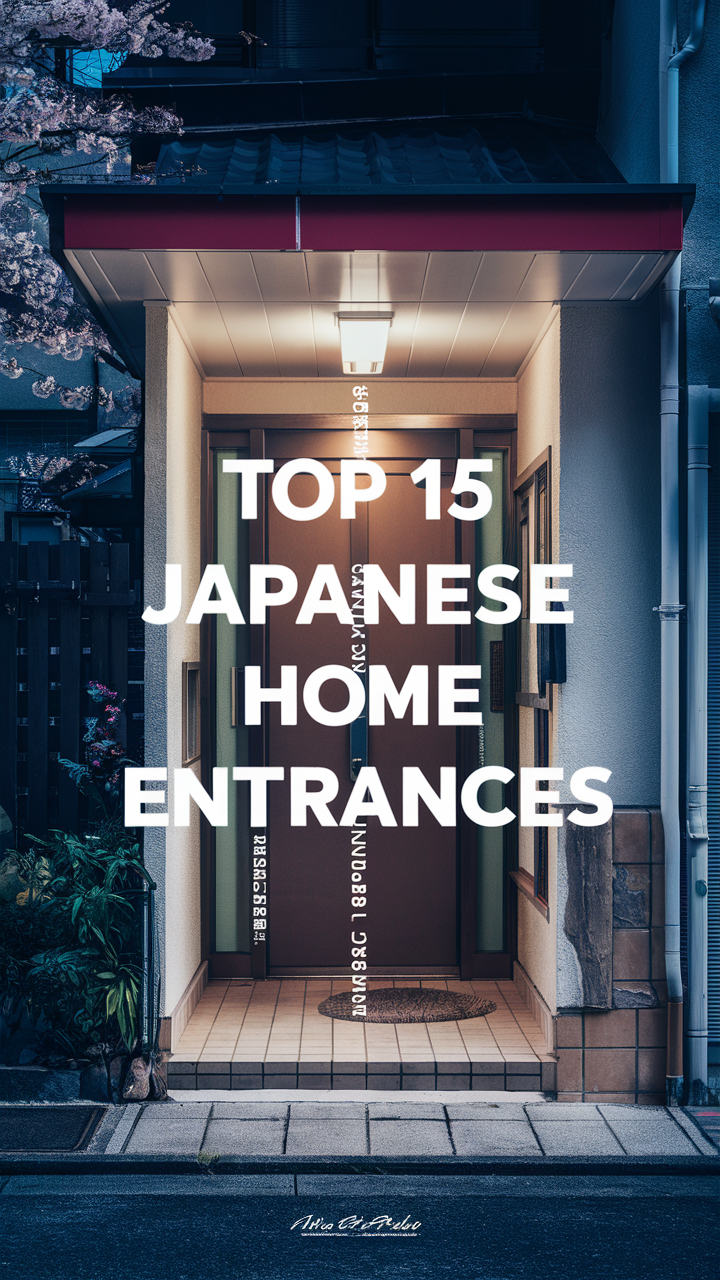
Japanese home entrances are indeed unique compared to those found in Western homes. The design, cultural significance, rituals, materials used, incorporation of nature and Zen, balance between functionality and aesthetics, and variations based on region or historical period all contribute to the distinctiveness of Japanese home entrances.
The design of Japanese home entrances differs significantly from Western homes. In Japan, the entrance is known as “genkan,” a sunken floor area where shoes are removed before stepping onto the raised floor of the home. This design element reflects the Japanese custom of removing shoes before entering a home to maintain cleanliness and hygiene. Additionally, Japanese home entrances often feature sliding doors called “fusuma” or “shoji,” which can be opened or closed to create flexible spaces within the home.
The cultural significance of Japanese home entrances is deeply rooted in Japanese society. The genkan serves as a transitional space between the outside world and the private realm of the home, symbolizing a shift in mindset from the public to the private sphere. It also reflects the concept of “uchi-soto,” which emphasizes the distinction between insiders (uchi) and outsiders (soto) in Japanese social interactions.
Rituals and customs associated with Japanese home entrances further highlight their importance in Japanese culture. For example, it is customary to perform a bow or “ojigi” when entering or leaving a home as a sign of respect. Additionally, guests are often greeted at the genkan with a welcoming phrase such as “Ojama shimasu,” which translates to “I will disturb you.”
Materials commonly used in Japanese home entrance construction include natural elements such as wood, stone, and bamboo. These materials are chosen for their durability, sustainability, and aesthetic appeal. Wood is particularly favored for its warmth and natural beauty, while stone and bamboo add texture and visual interest to the entrance space.
Japanese home entrances often incorporate nature and the concept of Zen to create a harmonious and tranquil atmosphere. Elements such as indoor gardens, water features, and minimalist design aesthetics are commonly found in Japanese home entrances to evoke a sense of serenity and simplicity. The use of natural light, clean lines, and neutral colors further contribute to the Zen-inspired design of Japanese home entrances.
In terms of functionality versus aesthetics, Japanese home entrances strike a balance between practicality and beauty. The genkan is designed to be functional, with storage space for shoes, umbrellas, and other items, while also serving as a visually appealing and welcoming entry point to the home. The clean and uncluttered design of Japanese home entrances reflects the Japanese aesthetic principle of “wabi-sabi,” which values imperfection, impermanence, and simplicity.
Variations in Japanese home entrances can be observed based on region or historical period. In traditional Japanese architecture, the entrance may vary in size, layout, and decoration depending on the region or architectural style. For example, the entrance of a Kyoto machiya (townhouse) may differ from that of a Tokyo apartment building in terms of design and materials used. Similarly, historical periods such as the Edo period or Meiji era may influence the architectural features and design elements of Japanese home entrances.
In conclusion, Japanese home entrances are unique in their design, cultural significance, rituals, materials, incorporation of nature and Zen, balance between functionality and aesthetics, and variations based on region or historical period. The genkan serves as a symbolic and practical entry point to the home, reflecting the values of cleanliness, hospitality, and harmony that are deeply ingrained in Japanese culture. The attention to detail, craftsmanship, and thoughtful design of Japanese home entrances make them truly distinctive and worthy of admiration.

Exploring the Unique Features of Japanese Home Entrances
When it comes to home design, Japanese architecture stands out for its simplicity, functionality, and attention to detail. One of the key areas where this uniqueness is evident is in the design of home entrances. Japanese home entrances are not just a passageway into the house; they are carefully crafted spaces that reflect cultural norms and values. Let’s delve into what makes Japanese home entrances so distinctive and how you can incorporate these elements into your own home.
1. Genkan: The Sunken Entryway
In Japanese homes, the entrance typically features a genkan, which is a sunken entryway located at a lower level than the rest of the house. This design allows residents and guests to remove their shoes before stepping into the main living area. The genkan serves as a transition space between the outside world and the inner sanctum of the home, promoting cleanliness and respect for the living space.
2. Sliding Doors (Fusuma and Shoji)
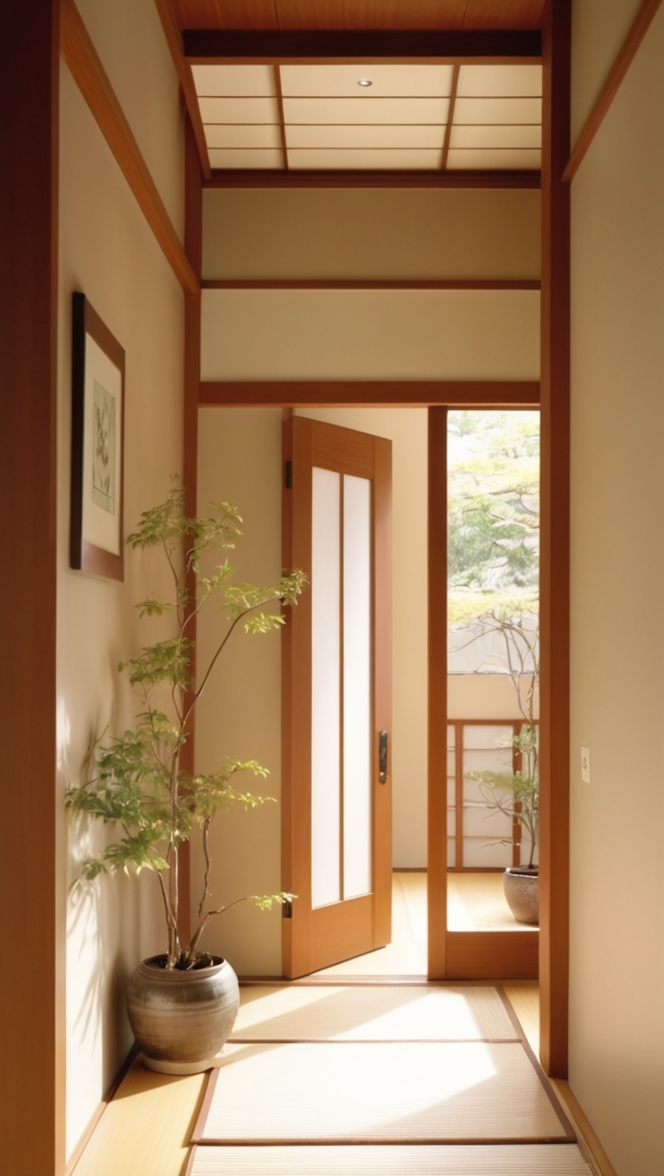
Another distinguishing feature of Japanese home entrances is the use of sliding doors, known as fusuma and shoji. These doors are made of paper or wood and slide open and closed, allowing for flexible room configurations and natural light to filter through. Incorporating sliding doors in your entrance can add a touch of elegance and functionality to your home design.
3. Minimalist Furniture and Decor
Japanese design is known for its minimalist aesthetic, and this extends to the furniture and decor in home entrances. Opt for simple, clean-lined furniture pieces and avoid cluttering the space with unnecessary items. A few well-chosen pieces, such as a wooden bench or a decorative vase, can create a welcoming and serene atmosphere in your entrance.
4. Tatami Mats and Shoe Cabinets
Traditional Japanese homes often feature tatami mats, which are woven straw mats that add warmth and texture to the space. Consider incorporating tatami mats in your entrance to bring a touch of Japanese authenticity to your home. Additionally, installing a shoe cabinet or rack near the genkan can help keep the entrance organized and free of clutter.
5. Natural Elements and Indoor Plants
Bringing nature indoors is a common practice in Japanese design, and this extends to home entrances as well. Consider adding indoor plants or a small bonsai tree to your entrance to create a connection to the outdoors and infuse the space with a sense of tranquility. Natural elements such as wood, stone, and bamboo can also enhance the overall aesthetic of your entrance.
6. Paper Lanterns and Ambient Lighting
Lighting plays a crucial role in setting the mood and ambiance of a space, and Japanese home entrances are no exception. Consider adding paper lanterns or soft ambient lighting fixtures to create a warm and inviting atmosphere in your entrance. Soft, diffused lighting can help create a sense of calm and relaxation as soon as you step through the door.
7. Zen Garden or Rock Feature
If you have the space, consider incorporating a small Zen garden or a rock feature in your entrance area. These elements can add a touch of serenity and contemplation to the space, creating a peaceful transition from the outside world to your home. A simple arrangement of rocks, gravel, and moss can evoke a sense of harmony and balance in your entrance.
8. Neutral Color Palette with Accents
When choosing paint colors for your entrance, opt for a neutral palette of whites, beiges, and light grays to create a sense of serenity and spaciousness. Consider adding accents of bold colors such as indigo blue or crimson red to inject a pop of color and visual interest into the space. Using real paint colors like Sherwin Williams or Benjamin Moore paints can help achieve the desired look and feel.
9. Calligraphy Artwork or Wall Hangings
Add a touch of Japanese art and culture to your entrance by incorporating calligraphy artwork or traditional wall hangings. Calligraphy scrolls with inspirational quotes or Japanese characters can add a sense of elegance and sophistication to the space. Consider framing these pieces in simple wooden frames to complement the overall aesthetic of your entrance.
10. Water Feature or Fountain
If you’re looking to create a sense of tranquility and relaxation in your entrance, consider installing a water feature or fountain. The sound of running water can have a calming effect and create a soothing atmosphere in the space. A small tabletop fountain or a wall-mounted water feature can add a touch of Zen to your entrance and enhance the overall ambiance.
11. Seasonal Decor and Floral Arrangements
Change up the look of your entrance throughout the year by incorporating seasonal decor and floral arrangements. Consider decorating with cherry blossoms in the spring, lanterns in the summer, maple leaves in the fall, and pine branches in the winter. Seasonal decor can add a festive touch to your entrance and reflect the changing seasons outside.
12. Customized Welcome Mats and Entrance Signage
Add a personal touch to your entrance by customizing welcome mats and signage. Consider designing a unique welcome mat with Japanese motifs or patterns to greet visitors as they enter your home. Additionally, incorporate stylish entrance signage with your family name or a motivational quote to set the tone for your living space.
By incorporating these unique and thoughtful design elements inspired by Japanese home entrances, you can create a welcoming, serene, and organized entrance in your own home. Embrace the simplicity, functionality, and attention to detail that defines Japanese design to transform your entrance into a peaceful sanctuary that reflects your personal style and values.