Are you embracing the seamless cohesion of open concept kitchen designs in modern homes?
Disclosure: This post contains affiliate links. We may earn a commission at no extra cost to you.
“`html
How do you feel about the trend towards open floor plan kitchen dining living spaces?
open floor plan kitchen dining living
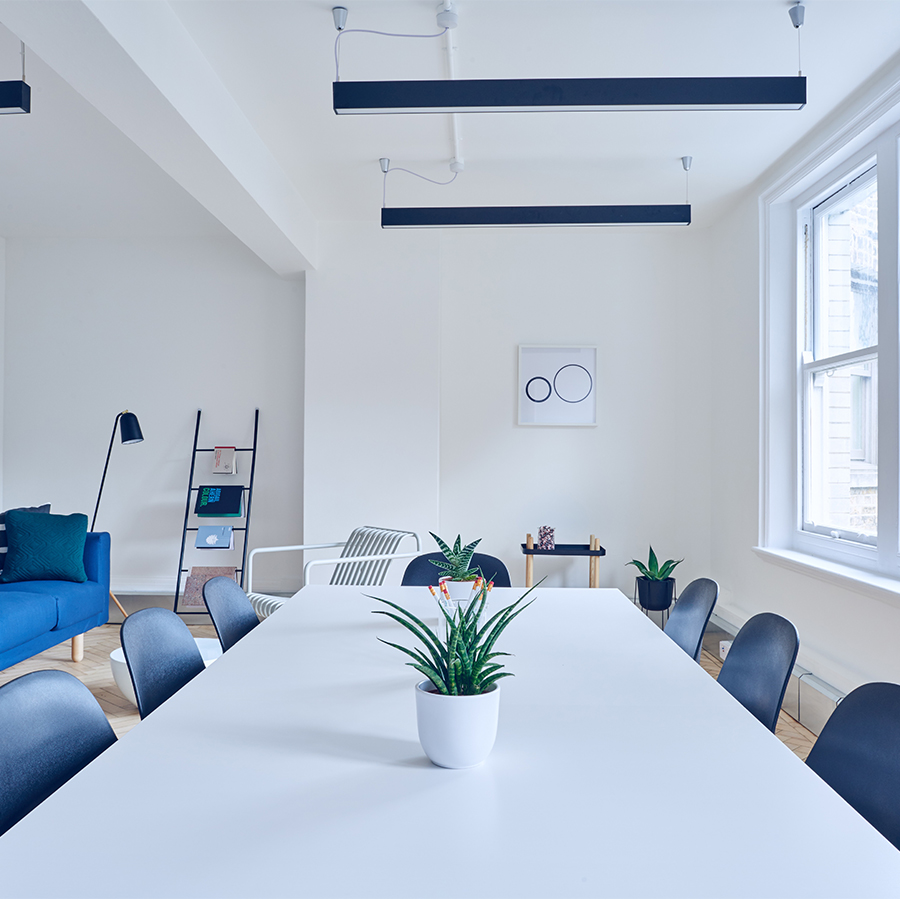
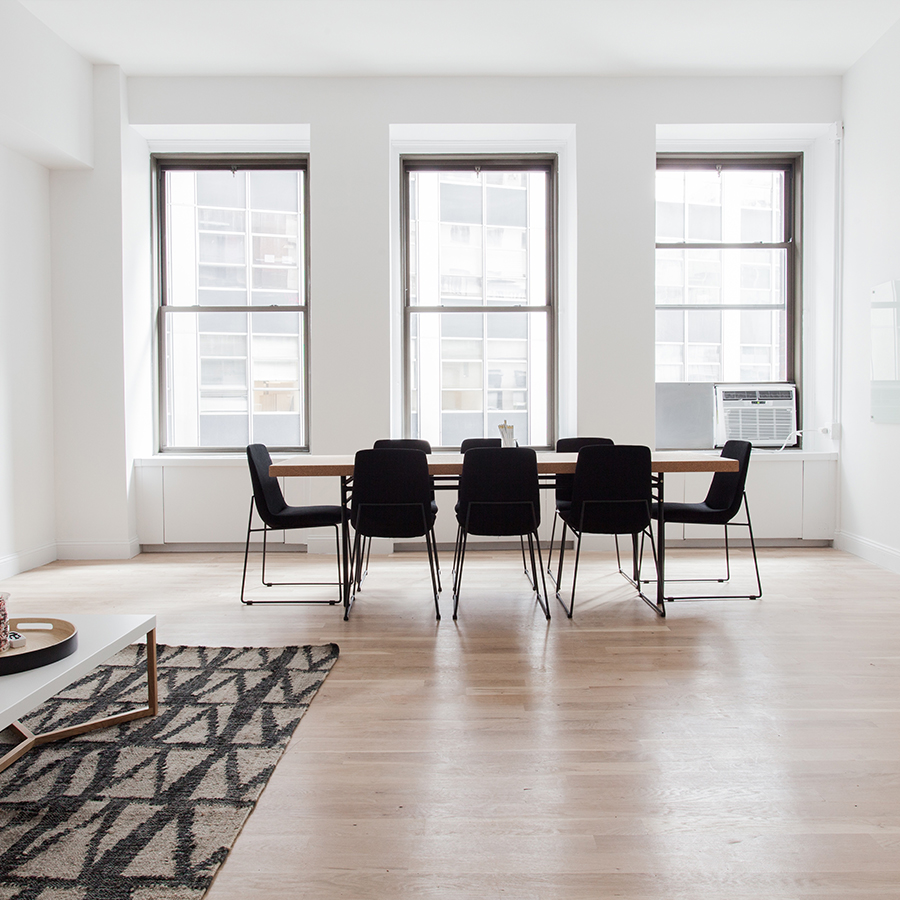
As a homeowner, I personally love the open floor plan concept for the kitchen, dining, and living areas. It creates a spacious and connected feel in the house, perfect for social gatherings and family interaction. However, it’s important to carefully plan the layout and design to ensure proper functionality and aesthetics. Incorporating divider elements like rugs, furniture placement, or even a kitchen island can help define the separate areas within the open space.
“`
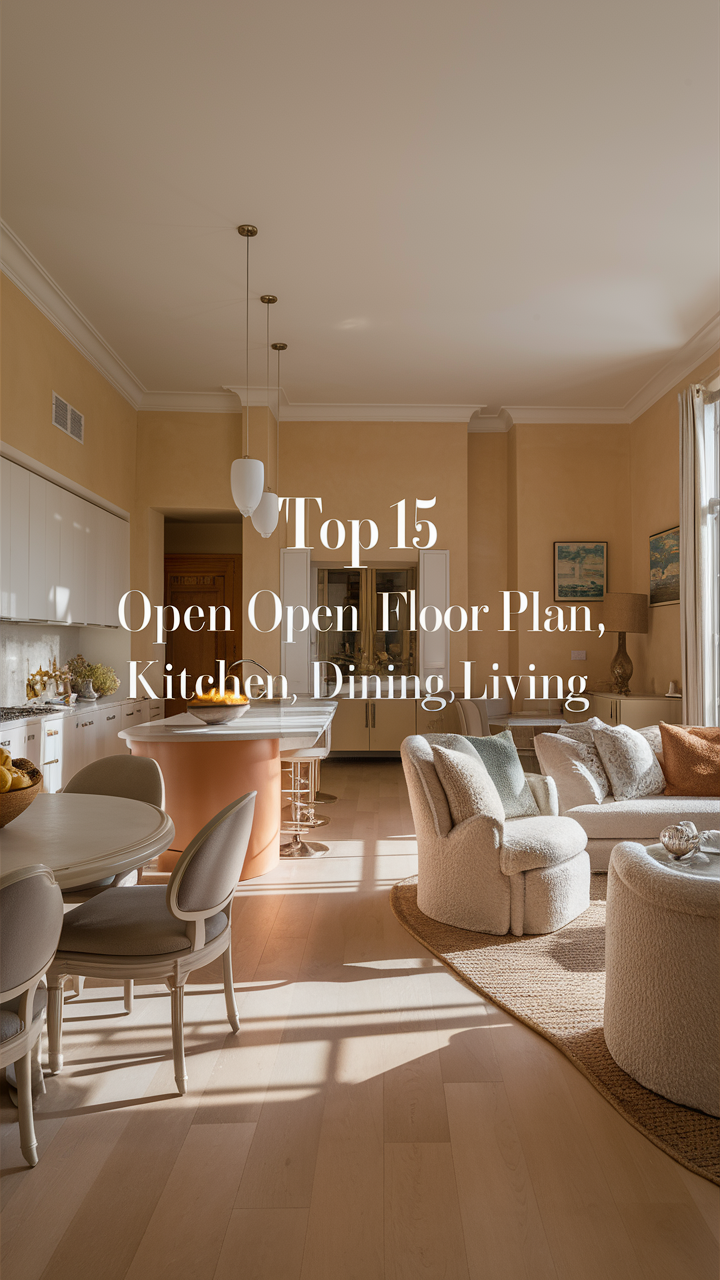
How do you feel about the trend towards open floor plan kitchen dining living spaces?
1. Do you believe open floor plans enhance the sense of togetherness among family members?
As a homeowner who recently renovated my living space to create an open floor plan, I can confidently say that I believe open floor plans do enhance the sense of togetherness among family members. The ability to see and interact with each other from different areas of the living space fosters a feeling of connection and unity. Whether we are cooking in the kitchen, dining at the table, or lounging in the living room, the open layout allows us to engage in conversations and activities seamlessly.
2. Are you concerned about privacy when it comes to open floor plan living spaces?
While I appreciate the openness and flow of an open floor plan, I do have some concerns about privacy. In particular, when guests are over or when different family members are engaged in separate activities, it can be challenging to find a private space for oneself. The lack of defined boundaries in an open floor plan can make it difficult to retreat and have personal space when needed.
3. Do you think open floor plans are more conducive to social gatherings and entertaining guests?
Absolutely! One of the main reasons I opted for an open floor plan was to create a space that is conducive to social gatherings and entertaining guests. The seamless flow between the kitchen, dining area, and living room makes it easy to host events and engage with guests while preparing food or drinks. The open layout encourages interaction and creates a welcoming atmosphere for visitors.
4. How do you feel about the lack of defined boundaries between different living spaces in open floor plans?
While the lack of defined boundaries in open floor plans can promote a sense of openness and connectedness, it can also pose challenges in terms of organization and visual separation. I have found that incorporating furniture arrangements, rugs, and lighting can help create subtle divisions between different living spaces within the open floor plan. Finding a balance between openness and definition is key to making the space feel cohesive and functional.
5. Are you a fan of the seamless flow and connectivity that open floor plans offer?
I am a huge fan of the seamless flow and connectivity that open floor plans offer. The ability to move freely between the kitchen, dining area, and living room without encountering barriers or obstacles creates a sense of fluidity and harmony in the space. Whether I am cooking, eating, or relaxing, the open layout allows me to navigate the different areas of my home with ease and comfort.
6. Do you find open floor plans to be more practical and functional for everyday living?
In my experience, open floor plans are indeed more practical and functional for everyday living. The open layout maximizes space and natural light, making the home feel more spacious and airy. It also promotes better communication and interaction among family members, as there are no physical barriers separating individuals in different areas of the living space. Overall, I find that open floor plans enhance the overall functionality and livability of a home.
7. Are you worried about the potential challenges of noise control and distractions in open floor plan settings?
While open floor plans offer many benefits, such as increased social interaction and connectivity, they can also present challenges when it comes to noise control and distractions. In my home, I have noticed that sounds from the kitchen or living room can carry throughout the entire open space, which can be a concern when trying to focus or relax in a different area. To address this issue, I have implemented sound-absorbing materials, such as rugs and curtains, to help minimize noise and create a more peaceful environment within the open floor plan.
Overall, my experience with open floor plan living spaces has been positive, but it is essential to consider both the advantages and challenges that come with this popular trend in home design. By finding ways to enhance privacy, define living spaces, and address noise control, homeowners can fully enjoy the benefits of an open floor plan while mitigating any potential drawbacks.
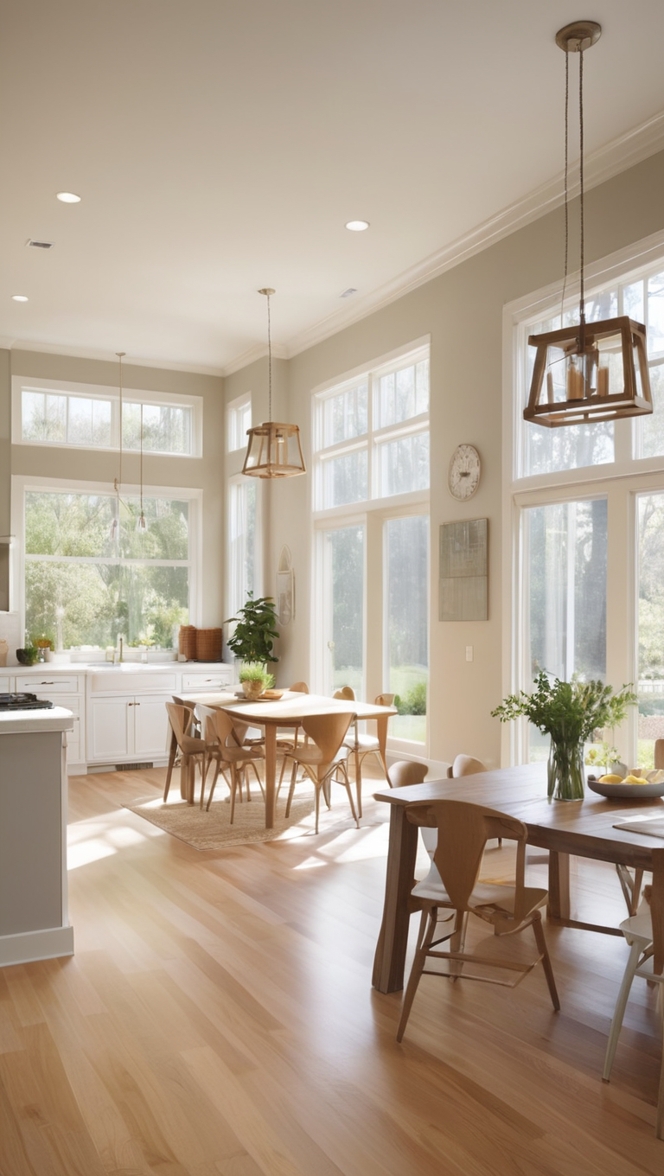
Embracing the Open Floor Plan Trend: A Controversial Perspective
The trend towards open floor plan kitchen dining living spaces has been both loved and criticized in the realm of interior design. While some homeowners swear by the spacious and connected feel it brings, others find it challenging to navigate the lack of privacy and defined spaces. In this article, we will delve into the pros and cons of open floor plans and explore 12 unique ideas to make the most of this layout.
Pros of Open Floor Plans:
1. Enhanced social interactions
2. Increased natural light
3. Better flow of movement
4. Flexibility in furniture arrangement
5. Modern and trendy appeal
Cons of Open Floor Plans:
1. Lack of privacy
2. Noise and distractions
3. Difficulty in zoning areas
4. Limited storage space
5. Challenging to maintain cleanliness
12 Unique Ideas for Open Floor Plan Spaces:
1. Use bold paint colors like Sherwin Williams “Naval” or Benjamin Moore “Hale Navy” to define different zones.
2. Install sliding doors or partitions to create temporary privacy when needed.
3. Incorporate area rugs to visually separate the dining and living areas.
4. Utilize statement lighting fixtures to delineate the kitchen space.
5. Opt for multifunctional furniture pieces that can serve dual purposes.
6. Create a cohesive color scheme throughout the open space for a harmonious look.
7. Add plants and greenery to bring a touch of nature indoors.
8. Install shelves or built-in storage solutions to maximize space utilization.
9. Consider a kitchen island with seating to provide a casual dining option.
10. Use decorative screens or room dividers to add architectural interest.
11. Experiment with different textures and materials to add depth to the space.
12. Personalize the space with artwork and accessories that reflect your style.
In conclusion, the open floor plan kitchen dining living trend offers a unique opportunity to create a harmonious and connected living space. By carefully planning the layout and incorporating innovative design ideas, you can make the most of this modern concept while addressing potential challenges. Whether you love the open floor plan or have reservations about it, there’s no denying the impact it has had on contemporary interior design.