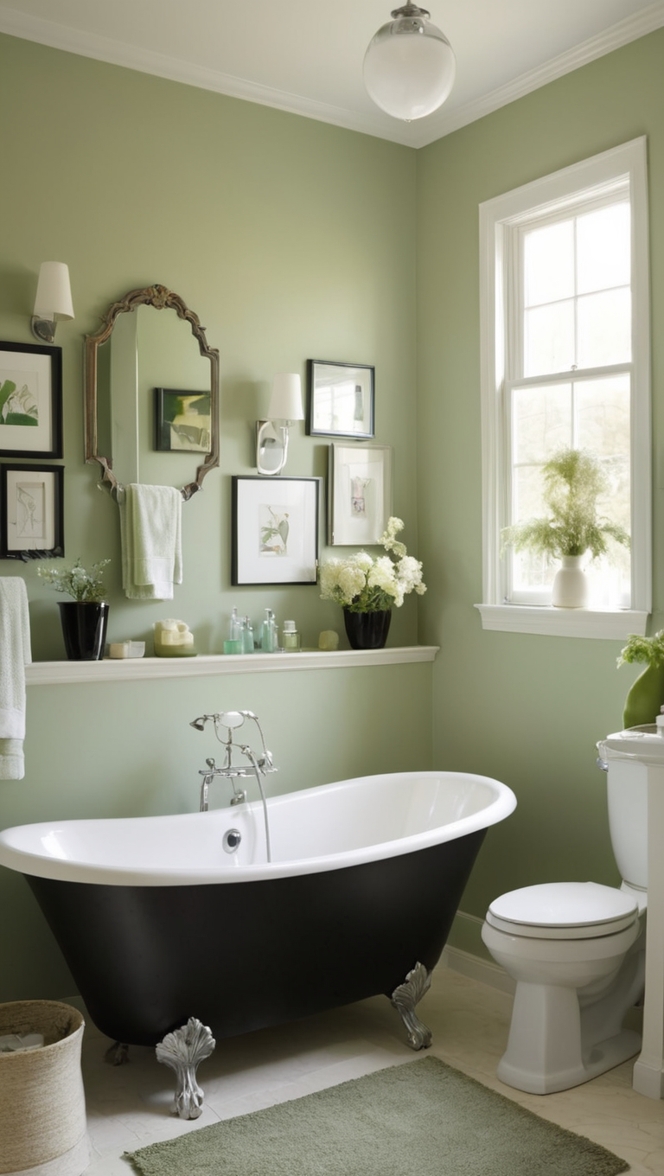
Discover the best shades for your skin tone with a comprehensive skin color analysis.

Disclosure: This post contains affiliate links. We may earn a commission at no extra cost to you.
Skin color palette refers to the range of colors that complement an individual’s skin tone the best. When choosing shades for your clothing or home décor, consider colors that enhance your skin tone and make you look vibrant. Warm undertones like peach, golden, or olive look great in earthy tones like terracotta or mustard. For cool undertones like pink or blue, opt for pastel shades like lavender or mint. Experiment with different colors to see which ones make you feel confident and comfortable.
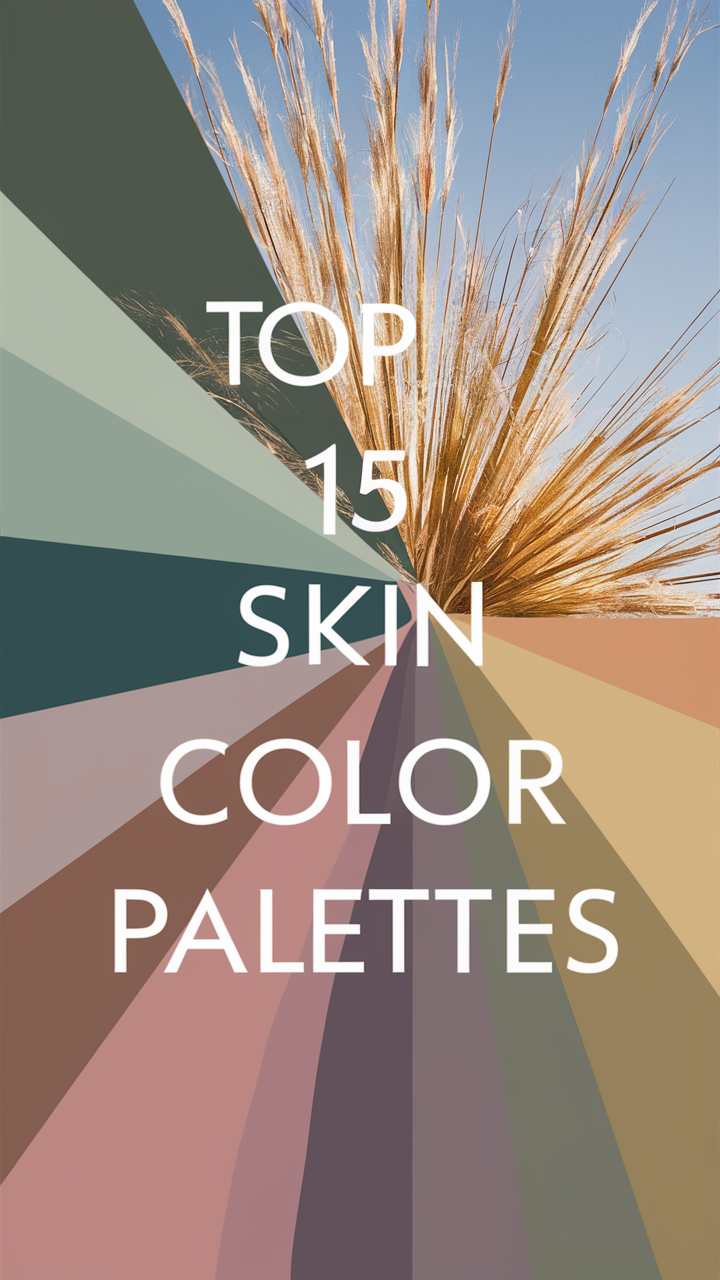
What shades from the skin color palette do I look best in?
When it comes to choosing the right colors to wear, many people find themselves wondering which shades suit their skin tone the best. With a wide range of colors available, it can be overwhelming to determine which ones will complement your unique complexion. In this controversial-style article, we will explore some of the questions that may come to mind when considering what shades from the skin color palette you look best in.
1. How do I determine my skin tone?
As a homeowner, I have found that determining my skin tone can be a bit tricky. I have experimented with various methods, such as holding different colored fabrics near my face in natural light to see which ones make my skin appear more radiant. Another method I have tried is looking at the veins on my wrist – if they appear blue, I may have cool undertones, and if they appear green, I may have warm undertones.
2. Are there specific colors that work best for fair skin tones?
Having fair skin myself, I have discovered that pastel colors like soft pinks, light blues, and lavender tend to complement my complexion the most. I have also found that earthy tones like beige, camel, and olive can add warmth to my fair skin without washing me out.
3. Do darker skin tones look better in certain colors than lighter skin tones?
While I may not have a darker skin tone, I have learned from friends and family members with darker complexions that rich jewel tones like emerald green, royal blue, and deep purple can enhance their natural beauty. Bright colors like red, orange, and fuchsia also tend to stand out beautifully on darker skin tones.
4. Can warm undertones wear cool-toned colors?
As someone with warm undertones, I have experimented with wearing cool-toned colors like icy blues and mint greens. While these colors may not be the most flattering on me, I have found that incorporating them in small doses, such as through accessories or makeup, can still work well with my warm undertones.
5. Are there any universal colors that flatter all skin tones?
One color that I have found to be universally flattering on all skin tones is teal. This rich blue-green hue seems to complement a wide range of complexions, from the fairest to the darkest. Additionally, classic neutrals like black, white, and gray are timeless choices that can work well for everyone.
6. Should I follow fashion trends or stick to colors that suit my skin tone?
As a homeowner who loves to stay up-to-date with the latest fashion trends, I have faced the dilemma of whether to follow trends or stick to colors that suit my skin tone. Ultimately, I have found that it is possible to incorporate trendy colors into my wardrobe while still keeping my skin tone in mind. Mixing trendy pieces with classic colors that flatter my complexion allows me to stay stylish without sacrificing what looks best on me.
7. How can I experiment with different shades to find what works best for me?
Experimenting with different shades has been a fun journey for me as a homeowner. I have tried on clothing in various colors at home under different lighting conditions to see how they look against my skin. I have also sought the advice of professional stylists and makeup artists to get personalized recommendations on which colors work best for me. By being open to trying new shades and seeking guidance when needed, I have been able to discover a color palette that enhances my natural beauty and makes me feel confident.
By addressing these questions and sharing my personal experiences, I hope to provide you with valuable insights on how to choose the right shades from the skin color palette that will enhance your natural beauty and style. Remember, experimenting with different colors and being open to trying new shades is key to finding what works best for you. Embrace your unique skin tone and have fun exploring the endless possibilities of color!
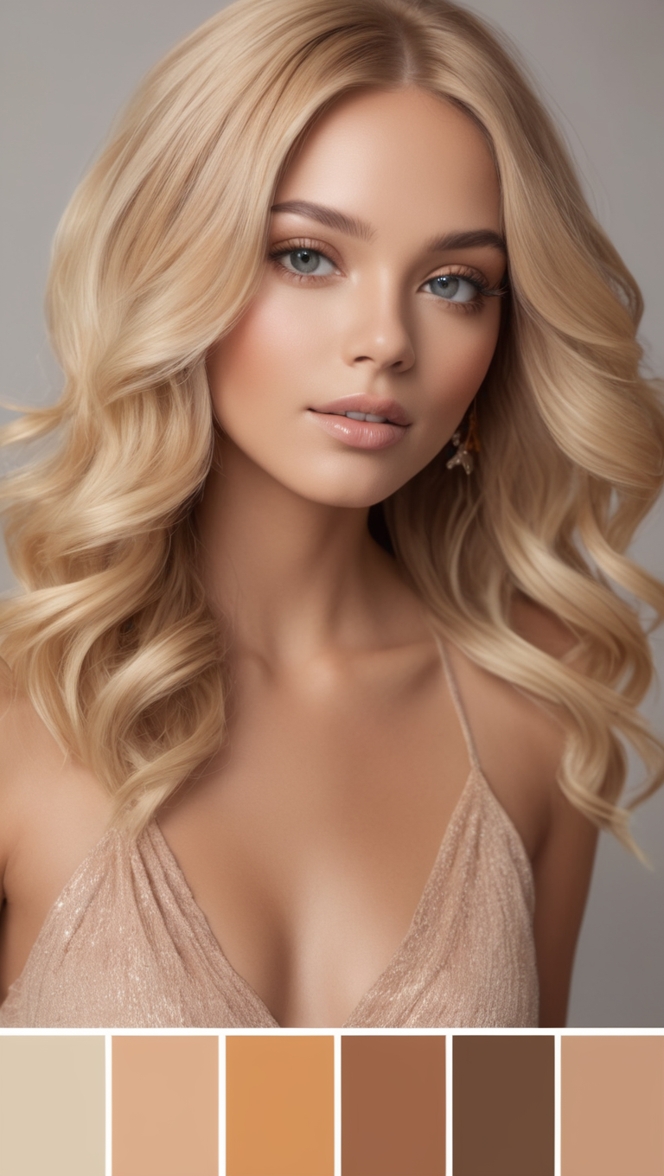
The Ultimate Guide to Finding Your Perfect Skin Color Palette
When it comes to choosing colors that complement your skin tone, the right palette can make all the difference. Your skin color palette refers to the range of hues that enhance your natural beauty and make you look radiant. Whether you have warm undertones like peach or cool undertones like pink, there are specific shades that will flatter your complexion and boost your confidence.
1. Embrace Your Warm Undertones
If you have warm undertones in your skin, colors like peach, golden, or olive will look stunning on you. Consider incorporating earthy tones like terracotta, mustard, and burnt orange into your wardrobe or home décor. These shades will complement your complexion and bring out the golden glow in your skin.
2. Play with Cool Pastels
For those with cool undertones like pink or blue, pastel shades are your best friend. Try colors like lavender, mint, baby blue, and soft pink to enhance your skin tone and create a fresh, youthful look. These cool pastels will contrast beautifully with your complexion and make you feel chic and sophisticated.
3. Experiment with Jewel Tones
Jewel tones are rich, vibrant colors that can add depth and drama to your skin color palette. If you have medium to deep skin tones, consider shades like emerald green, sapphire blue, ruby red, and amethyst purple. These luxurious hues will make your skin glow and exude elegance and confidence.
4. Go Bold with Neutrals
Neutrals are timeless colors that can complement any skin tone. If you’re looking for a versatile palette that works for any occasion, consider shades like camel, taupe, ivory, and charcoal. These classic neutrals will create a sophisticated and polished look that enhances your natural beauty.
5. Mix and Match Textures
Don’t be afraid to mix different textures and fabrics in your outfits to create a dynamic skin color palette. Experiment with silk, velvet, denim, and leather to add depth and interest to your look. Mixing textures will elevate your style and create a unique and personalized aesthetic that reflects your personality.
6. Consider Your Hair Color
Your hair color can also influence your skin color palette. If you have warm undertones and golden blonde hair, try shades like caramel, rust, and bronze to complement your complexion. For cool undertones and ash brown or black hair, opt for colors like icy blue, silver, and charcoal to enhance your skin tone.
7. Don’t Forget About Accessories
Accessories are a great way to add pops of color to your skin color palette. Experiment with statement jewelry, scarves, handbags, and shoes in bold hues that complement your complexion. Accessories can elevate any outfit and create a cohesive and stylish look that showcases your personal style.
8. Take Inspiration from Nature
Nature is a great source of inspiration for finding your perfect skin color palette. Look to the changing seasons for ideas on color combinations that work well with your skin tone. From the warm tones of autumn leaves to the cool shades of a winter snowscape, nature offers endless possibilities for creating a beautiful and harmonious color palette.
9. Consult a Color Expert
If you’re unsure about which colors best suit your skin tone, consider consulting a color expert for personalized advice. A professional color consultant can analyze your skin undertones and recommend a customized palette of colors that will enhance your natural beauty and make you look your best. Investing in a color consultation can help you feel more confident and empowered in your style choices.
10. Trust Your Instincts
Ultimately, the most important factor in finding your perfect skin color palette is to trust your instincts and wear colors that make you feel confident and comfortable. Experiment with different shades, mix and match colors, and have fun expressing your unique style through your clothing and home décor. When you feel good in what you’re wearing, it shows, and that inner glow will radiate through your skin, making you look and feel beautiful.
11. Shop for Quality Paints
When choosing paint colors for your home, opt for high-quality brands like Sherwin Williams or Benjamin Moore. These reputable paint manufacturers offer a wide range of colors that are specially formulated to enhance your living space and create a harmonious color palette. Invest in quality paints that will stand the test of time and bring out the best in your home décor.
12. Create a Cohesive Color Scheme
When decorating your home, aim to create a cohesive color scheme that complements your skin tone and reflects your personal style. Choose a primary color palette that includes shades that enhance your complexion, and layer in accent colors for visual interest. By creating a harmonious color scheme, you’ll create a welcoming and stylish environment that makes you feel at home.
By following these tips and ideas for finding your perfect skin color palette, you can create a wardrobe and home décor that enhance your natural beauty and make you look and feel your best. Experiment with different colors, textures, and accessories to create a personalized and stylish aesthetic that showcases your unique personality and complements your skin tone. Embrace your individuality and have fun expressing yourself through your personal style!